Food and food security

The topic and the threat is so huge. Is there anything I can do about it as an individual?
I know that climate change will bring increasing droughts and floods. Already I am hearing about the desertification and hunger as crops fail in Sub-Saharan Africa. It is affecting us now as olive oil, coffee and cocoa prices have doubled due to the drought in southern Spain, in West Africa and the Amazon last year. And its going to get worse . . .
We depend now on a global food system where our food comes through importers and supermarkets from all over the world: our wheat comes from the USA and Canada, and our out of season vegetables and fruit come from southern Spain, Peru and Chile. This system enables us as individuals to buy any food we wish at any time of year brought in to our shops from all over the world.
This is a privilege but it depends on many conditions coming together. When these conditions change, our food system will no longer function. We saw with the recent hacking of the Co-op data systems how easily it can fail, and how quickly the shelves can become empty. In the longer term our food supplies rely on just those areas that are forecast to become deserts in the next thirty years.
This amazing food system that enables us to enter our local shop and buy anything we want to eat, will not survive as the world changes and food shortages will become increasingly frequent.
Is there anything we as individuals and communities can do about it? I think there is.
I had the privilege of living for several years with subsistence farmers in Papua New Guinea and Africa. They are not able to go to the shops if the food runs out. They, and our own ancestors, have survived by sharing food. When they have food they share it. Then, when they have no food (called a ‘hungry time’ in the local language), they are supported by their neighbours – and everyone continues.
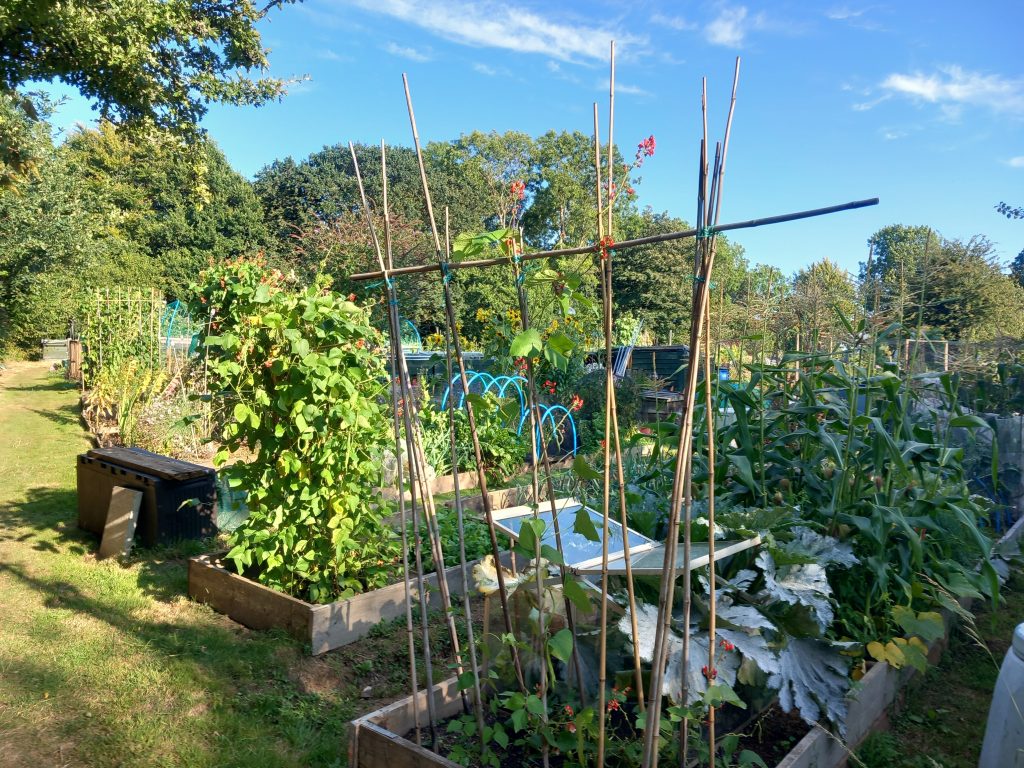
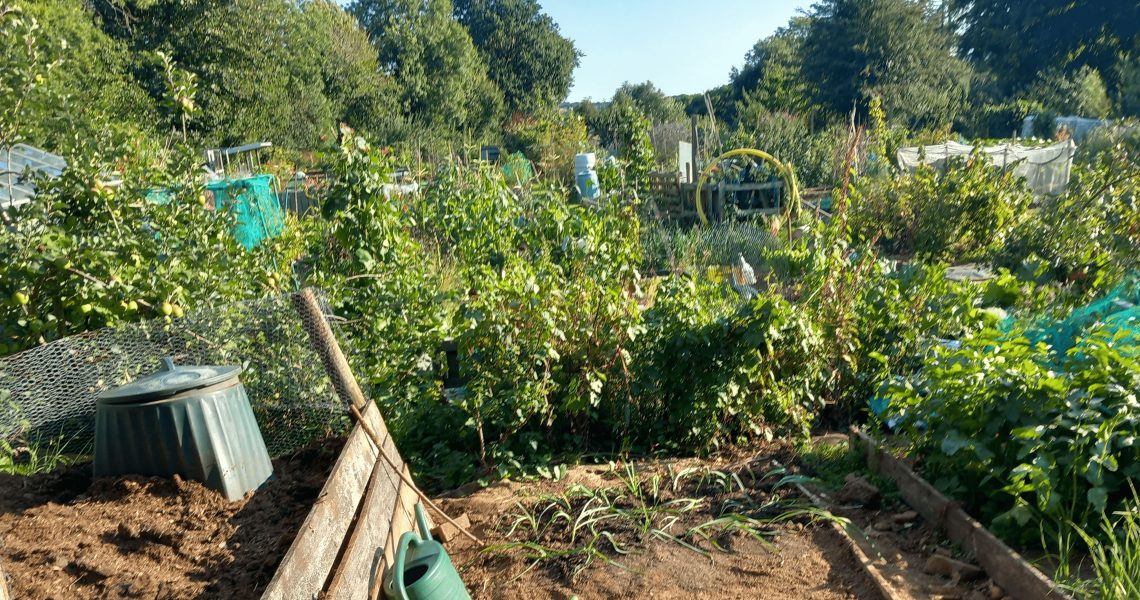
This impulse to community and generosity, that Thay encourages us to cultivate, is inherent in our nature as humans. But in current society we have lost the way to express this with food. I noticed that in my village, people with allotments often have a surplus of food, but they don’t know what to do with it. They offer it to their neighbours in the allotments who also have too much, while others in the village are driving miles to a shop to get the same food imported from abroad.
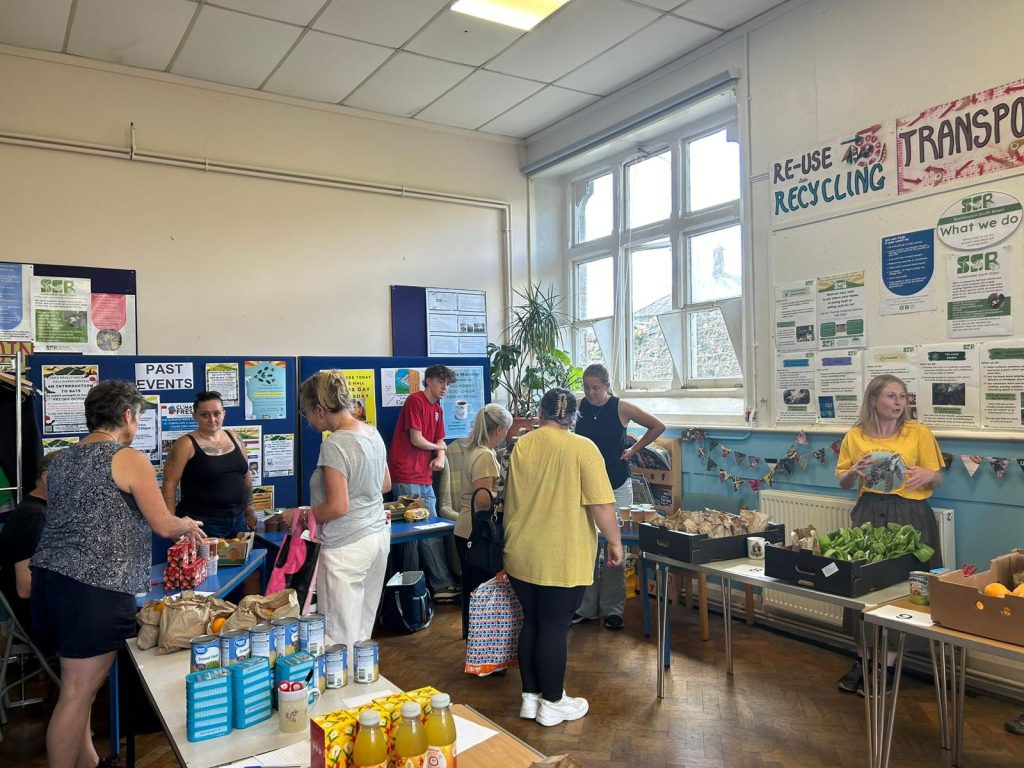
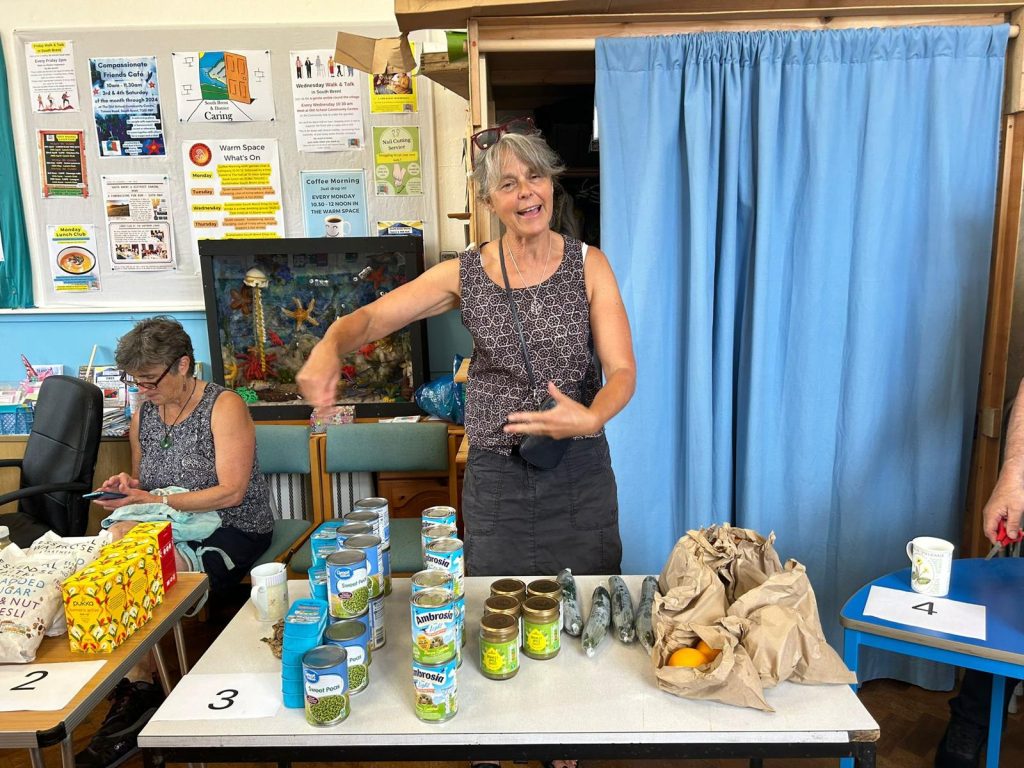
I wondered if, by providing a point in the village where everyone could bring and take food, we could rekindle our inherent generosity. I organised a village meeting and suggested that we started a community fridge: a fridge and larder in the centre of the village, that is open twenty-four hours, which anyone can put food into and anyone can take it from. Twenty-five people said yes and together we took possession of a donated fridge and organised the room and a rota of volunteers to look after it.
As it became known, more and more people started to use it. People developed a habit of looking through their larders and putting in tins from the back of the cupboard, or food as they cleared their fridge before going on holiday.
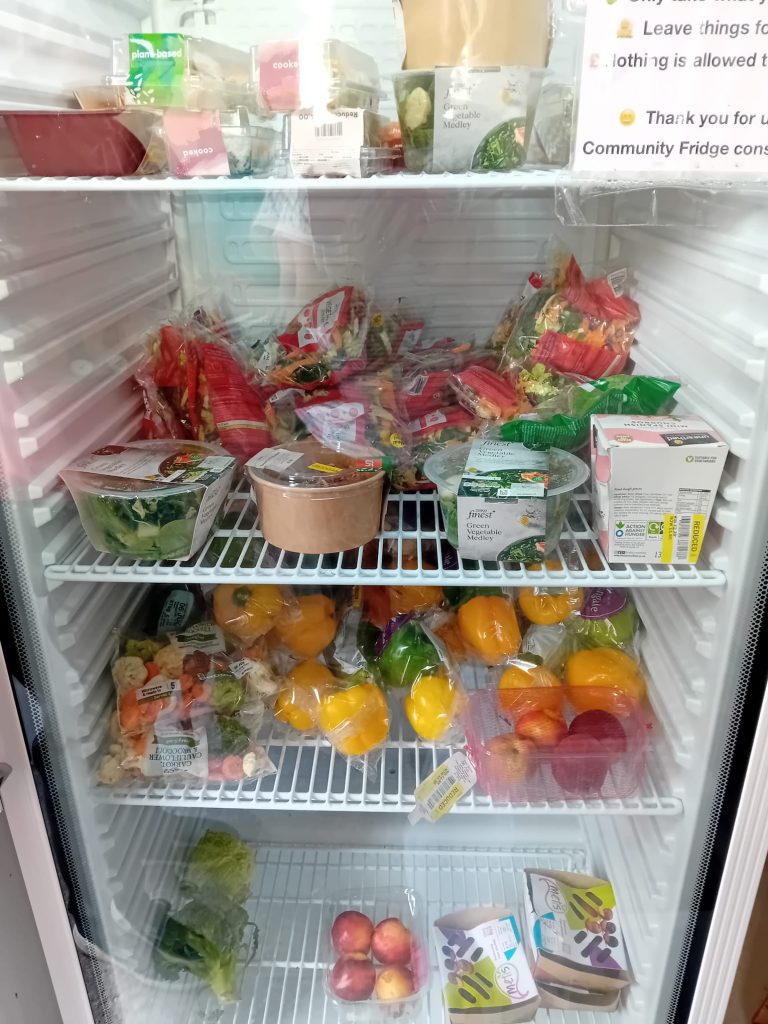
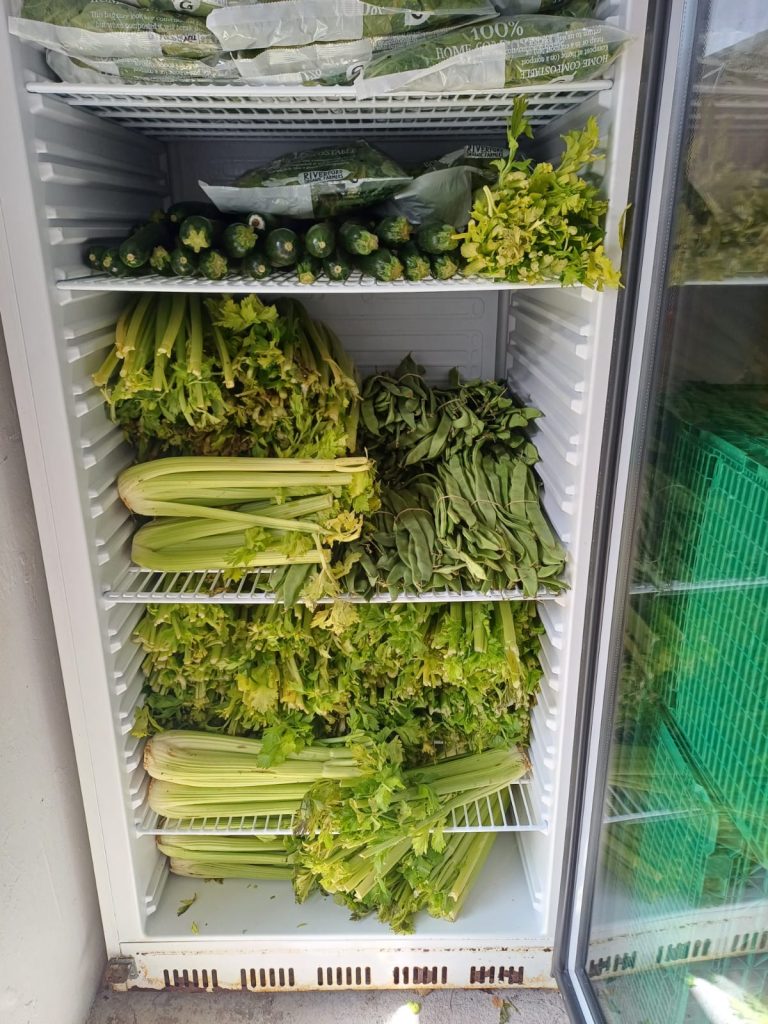
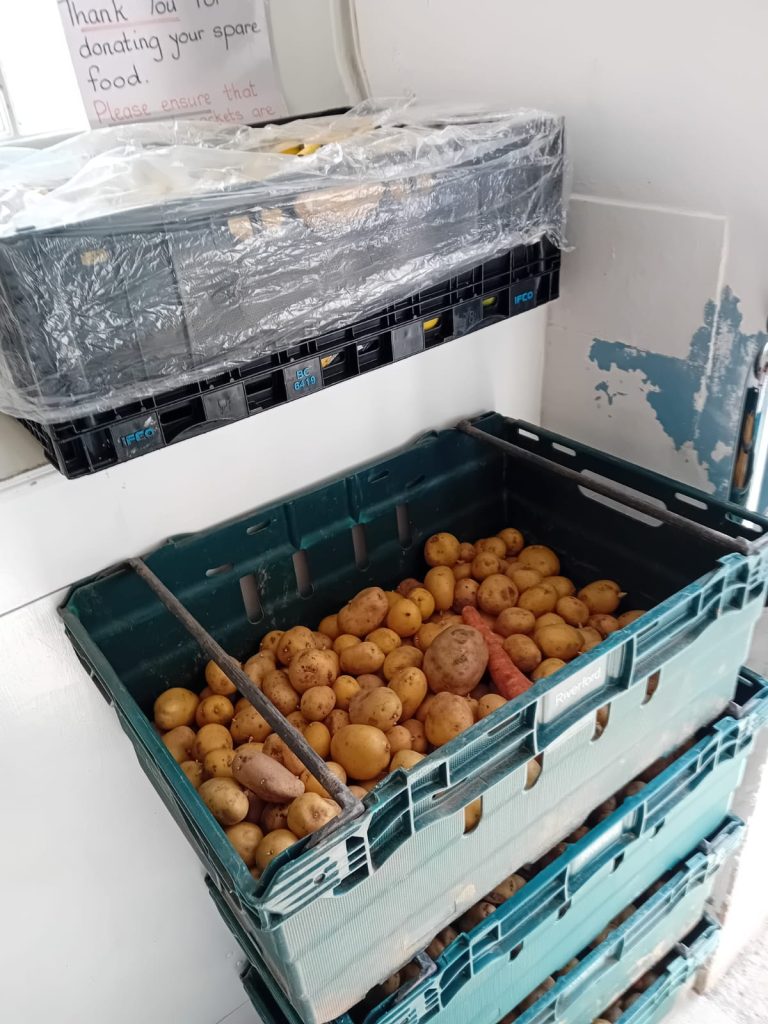
This is supplemented by crates of courgettes or carrots or bananas that they cannot sell from Riverford Farms, a major organic distributor situated nearby, and from supermarkets within a 15-mile radius picked up by a team of volunteers. The fridge room is cleaned and monitored by another team of volunteers to ensure that no rotten or out of date food is left there.
In the last year we estimate that through the community fridge we have saved and shared as much as 15-tonnes of food (with an additional 11-tonnes of surplus food from businesses distributed through a social market held once a week). Using standard carbon calculators this translates as 80-tonnes of CO2 saved in the year.
But more important than CO2 and food saved, is an amazing sense of community that is arising as people learn the joy of sharing and working together.
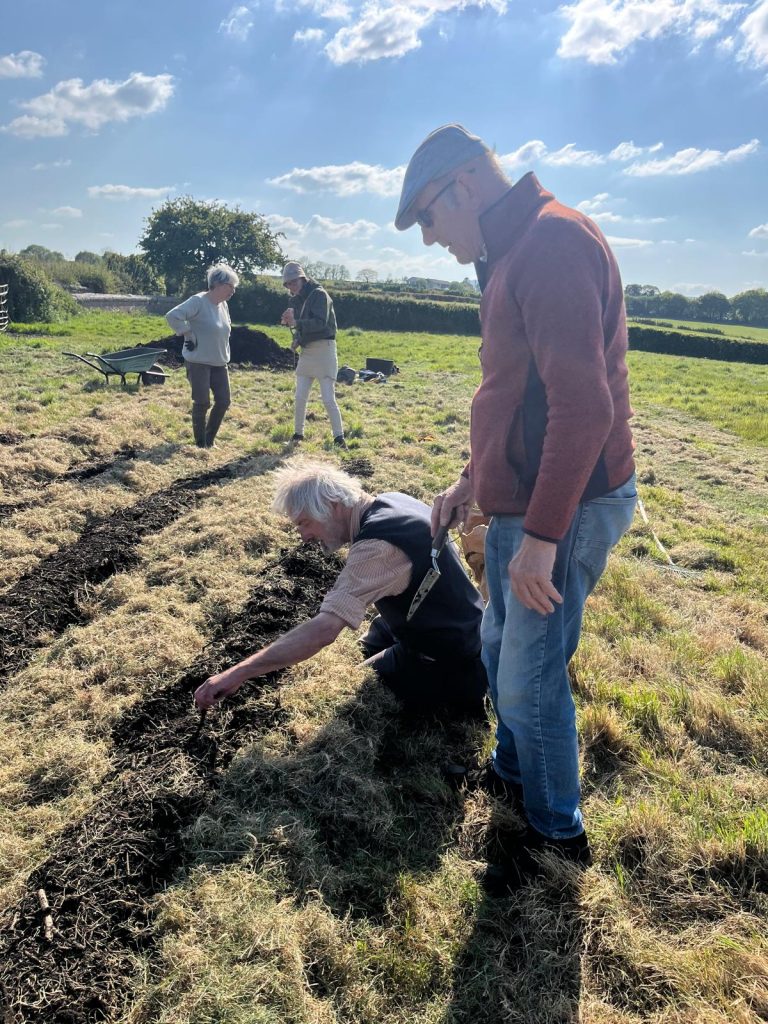
This has led to a new initiative. The village environmental organisation has just signed the lease with South Hams District Council to rent a seven acre field to establish a community growing project and community orchard. This will provide food locally to enable people to continue sharing and eating food when the global food system falters.
What we are doing in South Brent is one example of communities coming together to grow and share food. There are countless others up and down the country. In Manchester people are gleaning farmers fields and returning to the city to cook and share it. In Bath neighbours are planting food in the large planters introduced as part of traffic calming systems.
It is so easy to do something to grow and share food in your community and with your neighbours. In doing so we cultivate joy, nourish ourselves and, as millions of us do it, we can make a real difference to our beautiful planet.
***
Are you involved in a food project in your community? If you are, please email earthcare@plumvillage.org.uk and tell us about it (or send us a link to information). It would be lovely to make a map of all the food initiatives that the sangha is involved in, spreading like a web of flowers across the country.
For information about how to start a community fridge a great resource is hubbub.org.uk.