
Buddhist Chaplaincy/ Spiritual Care Training as Engaged Practice

A new opportunity
As I reach my sixties there seem to be less opportunities to become a pioneer in our rapidly changing world. However, a couple of years ago the chance became available to me to join the first European Buddhist Union/ Dharma Gate Buddhist College Foundation Course in Chaplaincy/Spiritual Care. http://www.europeanbuddhistchaplaincy.org
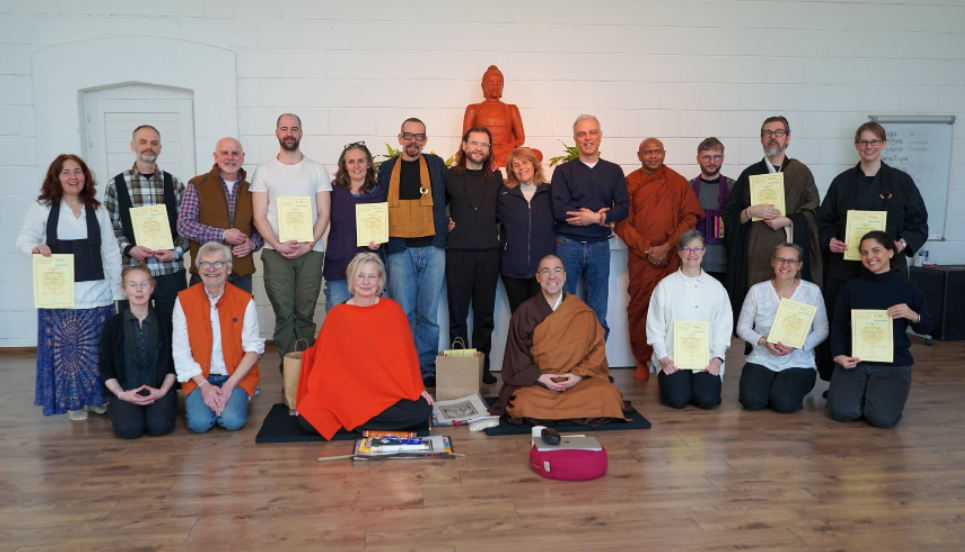
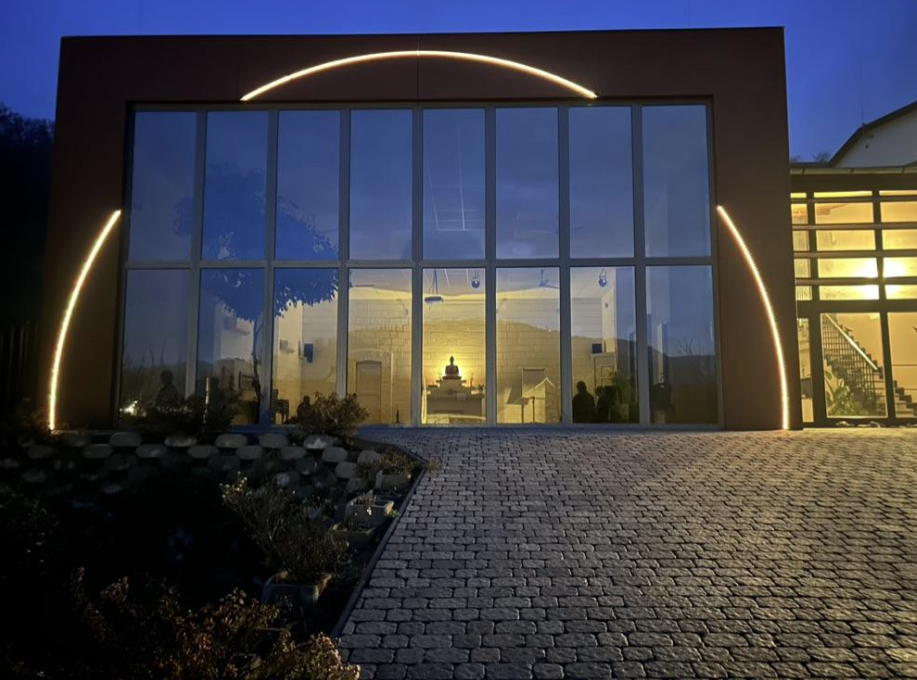
This 18-month programme, supported online and through three residential retreats at Manfa Retreat Centre, Hungary, aimed to develop graduates who could go on to offer informed and compassionate spiritual presence, grounded in the teachings of the Buddha in some of life’s most difficult situations: the isolation of imprisonment, the impairment and disempowerment of sickness and the distress at the threshold of death. It has resulted for me in a role as a spiritual care/chaplaincy volunteer in a hospice, supporting patients, families and staff.
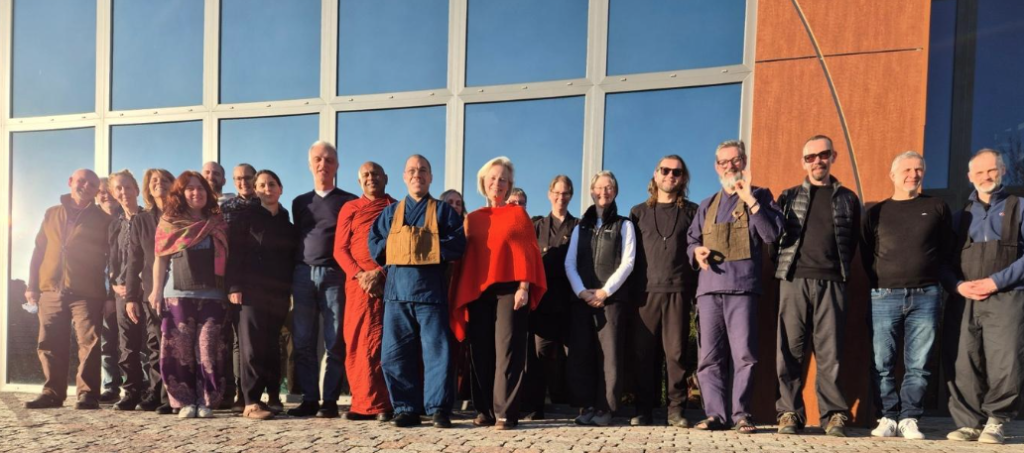
My student group comprised a diverse community representing many Buddhist traditions and ten countries: Ireland, Hungary, Germany, Poland, Italy, Switzerland, United Kingdom, Belgium, Israel, Spain. Thirty began the course, and 21 of us successfully completed our studies.
Throughout the programme, we were enabled to deepen our knowledge of both the theory and practice of Buddhist spiritual care, engaging with such areas as empathetic listening, facing suffering, and interfaith dialogue. The training was conducted entirely in English, reflecting its pan-European character.
Foundations for Service
In order to develop our capacity for service the course required deep contemplation of some key concepts and teachings:
- Kalyanamitra, or spiritual friendship, describes one who can guide us, hold up a mirror for us and accompany us through life’s challenges. Spiritual friendship is not based upon authority or hierarchy but on mutual trust, honesty and support. It reminds us that awakening and growth are rarely solitary endeavours. Monica Sanford has produced two volumes on the subject related to Buddhist chaplaincy, and The Way Out Is In podcast, Episode 90, also unpacks the lived realities of spiritual friendship.
- The Brahmaviharas – the four immeasurables, four abodes, or what Thay describes as the four essential elements of true love: loving-kindness, compassion, joy and equanimity. These qualities are not abstract ideals but capacities that can be cultivated and strengthened through practice. They offer a framework for meeting suffering without becoming overwhelmed by it and for remaining open-hearted in the face of difficulty. (See True Love: A Practice for Awakening the Heart.)
- The Six Paramitas, or Perfections, also informed our training: generosity, mindfulness trainings, inclusiveness, diligence, wisdom, insight and understanding. These qualities point towards a life of service grounded not only in good intentions but also in discernment and ethical clarity. (See The Heart of the Buddha’s Teaching: Transforming Suffering into Peace, Joy, and Liberation.)
The contemplative process, deep listening and sharing of insights and experiences helped the group to focus on responses to suffering and began to shape our emergent chaplaincy roles. It also deepened my understanding of some of Thay’s important messages and the contribution of the wider Plum Village community as concept related illuminated lived experience.

Engaged Buddhism in Practice
Our tradition demonstrates a strong commitment to taking practice ‘off the cushion’, to service that directly and practically addresses suffering, injustice and violence in the world. What we describe as ‘engaged Buddhism’.
For me this has been about deepening my understanding and experience of the Buddhist path through service and developing the capacity to act in ways that are congruent with the essence of the teachings, through mindfulness, a clear ethical framework, insight and wisdom. This wisdom is not founded in blind faith or a belief but rather its veracity has been borne out by my experience of the truth of what I have witnessed directly through practice. The truth of impermanence, the ubiquitous presence of suffering exacerbated by our own minds, the interconnectedness of all things and the power of collaboration and community.
As Thay says. ‘When our beliefs are based on our own direct experience of reality and not on notions offered by others, no one can remove these beliefs from us’.
The course also provided a deeper understanding that ‘right action’, or service, demands developing not only motivation or intention but also accessing the inner resources to confront suffering. I have already had my compassion and equanimity tested when confronted by the challenges of stepping from the cushion. It is a work in progress but enabled by support of wise tutors and fellow students, the discipline of a structure of a course of study and the guided contemplation on qualities that support the journey. The learning was tested and developed through securing a hospice placement supported through reflective discussions with a kind and wise dharma teacher/friend, Dene Donalds.
Thay’s interpretation of Buddhist precepts as mindfulness trainings have offered me a framework for ways of behaving in my life. As trainings rather than commandments they acknowledge that we are all on a journey of discovery which I find helpful. This allows for self-care, gentleness, direction and humility as I have grown into my chaplaincy role. Embedded in the trainings are also insights into love, care, kindness and confronting spiritual distress which aligns with the purpose of all the main faith traditions. This alignment and openness is key when operating in a multi-faith, or no faith context.
A Ministry of Presence
So, after completing a period of formal study/contemplation and practice, friendship building and wise counsel, where has this journey brought me to? Not to a destination but to a series of human encounters at moments of significant suffering. Not to becoming a Buddhist chaplain but to being a chaplain who is a Buddhist; an important distinction as the majority of people I encounter are not Buddhist and frequently of no faith. Not being someone who does things but someone who can just be with suffering. As an experienced hospice chaplain said to me, ‘I am the team member, who does nothing’, no agenda, no tasks to do, just able to sit with suffering and be fully present for people at their most vulnerable.
There is so much involved in ‘doing nothing’. A capacity to bear witness, to release our notions of expertise and engage appropriately in compassionate action.
Not always to be nice but to endeavour to always be kind. The emergent capacity for a ‘ministry of presence’ for me has also demanded acknowledgement and insight into the nature of interbeing. How would I feel if I were dying? What would I want from different carers? Where would I wish to be? If we ‘inter-are’ with all beings, then the experiences of others must also be our own.
Continuing the Journey
I am now consolidating my practice, meeting regularly with former student colleagues who are practicing spiritual care as Buddhist practitioners across Europe, building links within the Plum Village community with those who have greater experience in developing chaplaincy or spiritual care in public institutions. This feels like truly engaged Buddhism that resonates with other practitioners with whom I have spoken.
I therefore close with a question to readers.
Is there merit in holding a virtual space to share wisdom, insights, desires or practices within our Plum Village community for those interested or working in chaplaincy roles? If this blog has piqued your interest I would be delighted to hear from you and to continue my conversations as another step to building spiritual friendships and consolidating our traditions’ commitment to engaged Buddhism. My e-mail is stuartcable63@outlook.com
With gratitude,
Stuart Cable (True Home of the Heart)
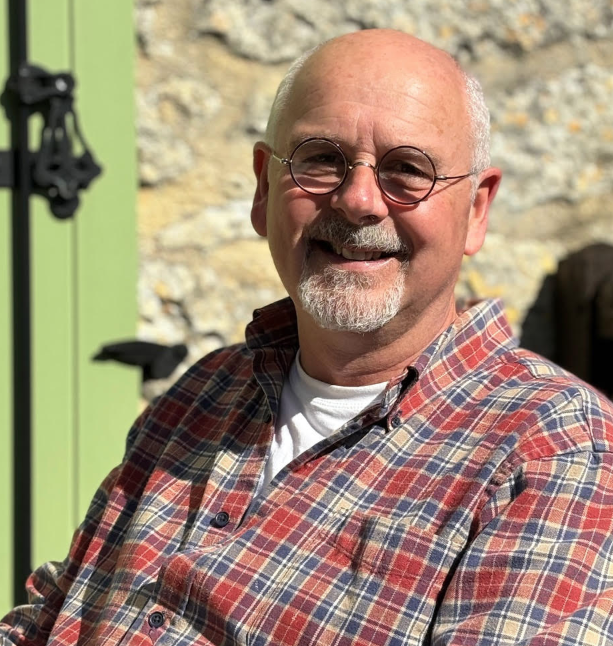
Stuart is a Registered Nurse in hospice at home services in the Scottish Borders and North Northumberland and a volunteer in the Spiritual Care Team in the Marie Curie Hospice, Edinburgh. He practices with the Bluebell and Wild Geese sanghas, received his Five Mindfulness Trainings in 2020 and aspires to continue to study the Fourteen Mindfulness Trainings to support his capacity for service.