Writing from Stillness

A Creative Writing and Mindfulness Retreat, 6 to 10 November, at the Being Peace Centre
A frustration familiar to almost everyone who writes is that you sit down with the intention to write and then either your mind goes blank, or it’s so full that it doesn’t settle for long enough for you to get the words on paper.
The usual advice is to push harder. You need more discipline, more pressure, and more hours. The odd thing is that the harder we push, the louder the internal editor becomes, judging each line before it has had the chance to exist at all.
Over a decade ago I began to explore how mindfulness could help my own creative writing. I continue to work with this today.
When we slow down, our writing tells the truth more easily
Pico Iyer, in The Art of Stillness, makes a case for going nowhere as a discipline in its own right, a way of seeing the life already in front of us with more attention. Natalie Goldberg, who came to writing through Zen practice, treats writing as a study of the mind, which places the writer’s first task in noticing what is actually happening. Both point the same way. The quality of our attention shapes the quality of what reaches the page.
Danny Penman, in Mindfulness for Creativity, sets out the research underneath this. Meditation practice supports divergent thinking, the capacity to hold many possibilities open before narrowing towards one. It builds resilience, which matters a great deal, since writing asks us to return again and again to work that disappointed us the day before. And it steadies attention, which is the raw material of every draft ever finished.
The brain mechanics are worth knowing too. Under threat, including the manufactured threat of a deadline or an unhelpful comparison with another writer, the older survival systems take priority, and the spacious, associative capacities of the neocortex become harder to reach. Incubation happens during rest. The insight that arrives in the shower, on the walk home, in the pause between one task and the next, arrives precisely because we stopped.
What mindfulness brings to the page
Sensory precision comes first. Description improves when it rises from lived observation rather than remembered phrases. Ten minutes of deliberate noticing: the sound of a room, the quality of light on a wall, the smell of a wet path. We are allow ourselves to settle and then the words flow. When the mental chatter quietens, more associations become available. Ideas that would have been dismissed in the first half-second get to stay in the room long enough to be considered. Divergent thinking has a better chance in a settled mind.
Distillation comes next, and this is where the contemplative tradition earns its place at the writing desk. In the Plum Village tradition, where I received the Lamp Transmission as a Dharma teacher, we write gathas, short verses held alongside ordinary actions such as waking, washing the hands, opening a door. Composing one is a demanding exercise in compression. A whole understanding has to fit inside a few lines that still sound like ordinary speech. Poets understand this discipline immediately. Practice offers a way of meeting the inner critic that leaves the writing intact.
I am holding a small residential retreat at the Being Peace centre for anyone who wants to write this way.
The days follow a simple rhythm. Sitting practice and walking meditation, guided writing exercises drawn from the sensory and journaling work I have developed over a decade of teaching. There will be space to share work aloud for those who wish, and space to keep it private for those who prefer.
Beginners who have liked the idea of writing for years and want a gentle way in are welcome. So are experienced writers carrying a stalled manuscript who suspect that the obstacle sits somewhere other than the page. In my experience, these two groups help each other more than either expects.
You need no meditation experience. You need no finished work to bring. A notebook and a willingness to slow down will carry you through the four days.
Full details are available on the Being Peace retreat calendar.
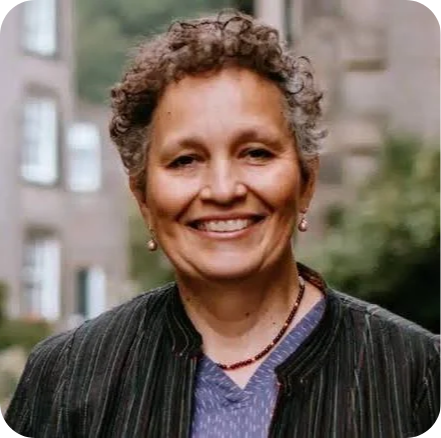
Sita Brand is a storyteller, writer, and meditation practitioner with over 30 years’ experience. She has worked with story for more than 40 years and is the Founder and Director of Settle Stories and created The Storyteller’s Compass. Her teaching is inspired by Plum Village mindfulness practice and is always led through story rather than theory. Sita creates calm, welcoming spaces where people learn through listening, reflection, and practice, and where writers develop clarity, confidence, and trust in their own voice. @sitabrand
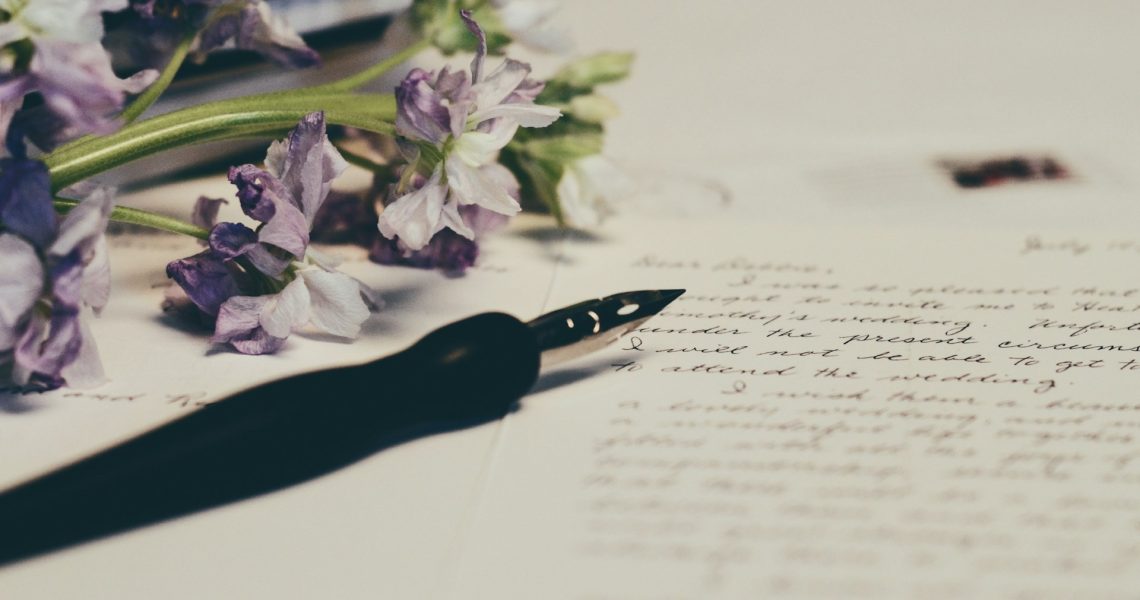
Main image by Debby Hudson on Unsplash